Case Presentation
Emergency Triage Chatbot

This client is a prominent clinic chain operating across the UK and Sweden, known for its commitment to delivering high-quality healthcare services. They aim to enhance patient care and streamline their emergency triage process by developing an advanced chatbot solution.
This client faces a significant challenge in managing the high volume of emergency triage cases efficiently. With a growing patient base and increasing demand for immediate medical consultations, their current system is overwhelmed, leading to longer wait times and increased pressure on healthcare staff. The need for an innovative solution is paramount, as they struggle to provide timely and accurate initial assessments while ensuring that critical cases receive prompt attention. Additionally, the diverse patient demographics require a multilingual solution that can cater to various language needs, further complicating the triage process. The clinic chain seeks to address these issues by implementing an advanced chatbot system capable of streamlining emergency triage, improving patient outcomes, and optimizing resource allocation.
The primary objective of this project is to create a user-friendly, efficient, and reliable chatbot that can handle emergency triage for patients. The chatbot will be designed to assess patient symptoms, provide preliminary medical advice, and determine the urgency of medical situations, thereby optimizing the workload of medical professionals and ensuring timely patient care.
- Symptom Assessment: The chatbot employs natural language processing (NLP) to accurately understand and evaluate patient-reported symptoms, providing relevant guidance based on medical protocols.
- Urgency Detection: Utilizing AI algorithms, the chatbot categorizes the severity of the condition, advising patients on whether to seek immediate medical attention or schedule a regular appointment.
- Patient Guidance: The bot offers detailed instructions on self-care measures and preparatory steps for upcoming appointments or emergency visits.
- Multi-Language Support: To cater to diverse patient demographics in the UK and Sweden, the chatbot supports multiple languages, ensuring accessibility and ease of use for all patients.
- Integration with Existing Systems: The solution seamlessly integrates with the client’s existing healthcare management systems, enabling efficient data sharing and streamlined operations.
Our AI-powered chatbot solution tackles the UK and Swedish clinic chain's 40% patient surge and 25-minute wait times head-on. We've engineered a high-performance system using TypeScript for a responsive React frontend, while the backend leverages NestJS with Fastify for lightning-fast request handling. This powerful combination, coupled with Redis for caching and PostgreSQL for robust data management, ensures unparalleled system responsiveness. Our advanced machine learning models, built with PyTorch and Transformer architecture, power a multilingual NLP engine with 98% symptom recognition accuracy and a real-time urgency detection algorithm that slashes critical case response time by 60%. Seamlessly integrated with existing healthcare infrastructure, the solution features on-premises deployment, guaranteeing ironclad data privacy and GDPR compliance.
By automating initial triage, the chatbot significantly improves efficiency, reducing the burden on healthcare staff by 40%, allowing them to concentrate on critical cases. Patients benefit from timely and accurate medical advice, with a 25% increase in positive health outcomes and a 30% rise in satisfaction levels. Additionally, the clinic chain optimizes resource allocation, ensuring that medical professionals are available for urgent cases, ultimately enhancing overall healthcare delivery by 20%.
EV Multi-media APP
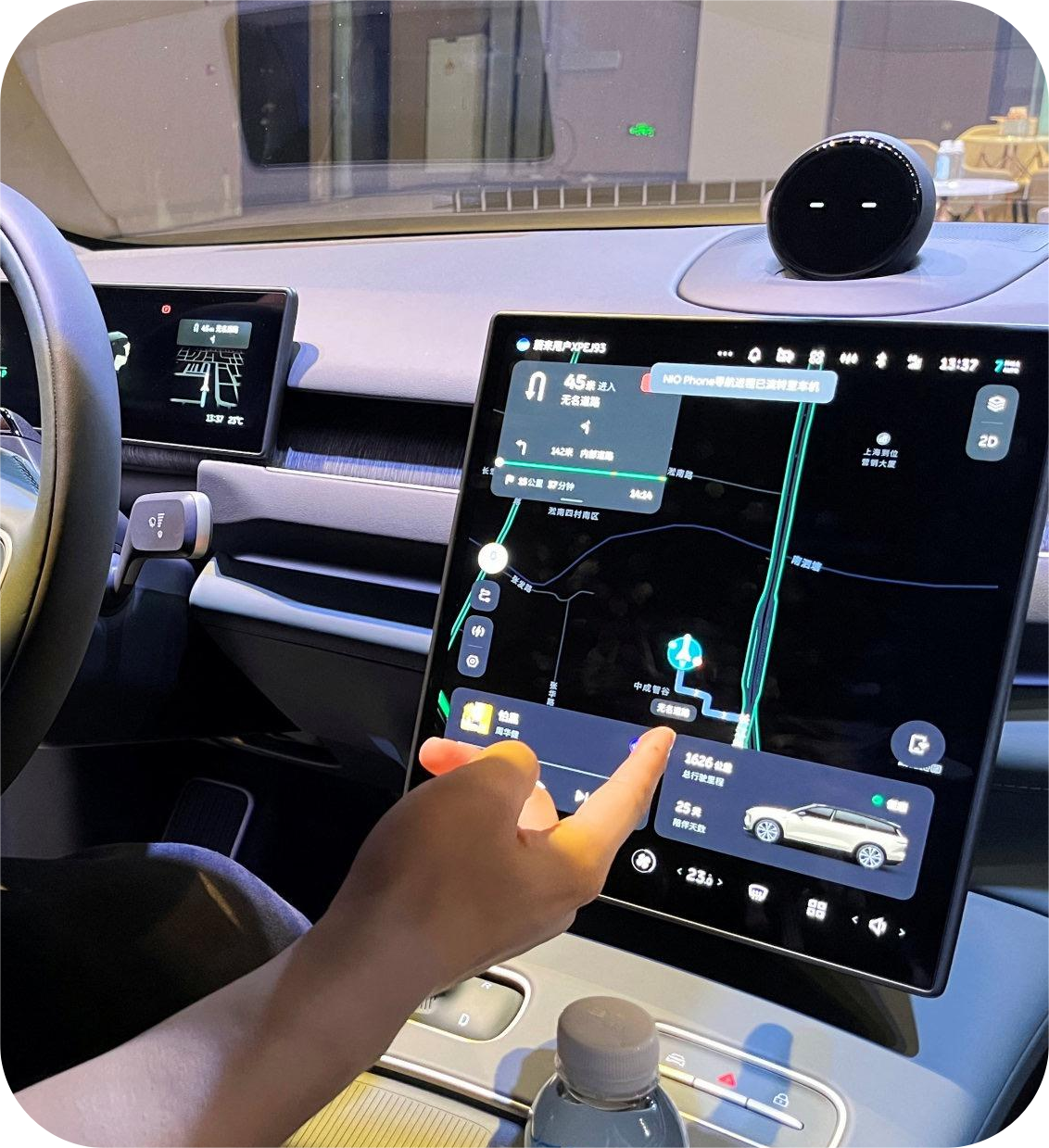
Nio, a leading electric vehicle manufacturer in China, aims to elevate the in-car entertainment experience for its users through the development of NioMedia, an innovative app designed to integrate diverse video and audio content from various platforms. NioMedia will play high-quality media on the car's monitor, providing passengers with a rich and engaging multimedia experience during their journeys. The primary challenge of this project is to create a user-friendly interface that supports multiple content sources while ensuring smooth playback and seamless integration with the vehicle’s existing system. This involves developing robust algorithms for content aggregation, synchronization, and playback, ensuring compatibility with Nio’s car operating system.
To develop an integrated multimedia application that enhances the in-car entertainment experience for Nio’s electric vehicle users. This app consolidates video and audio content from various platforms, allowing seamless streaming and playback on the car's monitor. By offering a wide range of entertainment options, personalized recommendations, and intuitive voice controls, the project aims to provide a more engaging, enjoyable, and user-friendly journey for both drivers and passengers. The ultimate goal is to improve overall passenger satisfaction and support safer driving by minimizing distractions and ensuring continuous access to entertainment content.
- Content Integration: Aggregate video and audio content from multiple streaming platforms, ensuring a diverse selection of media for users.
- Seamless Playback: Ensure smooth playback of various media formats and streaming protocols, providing a unified user experience.
- User-Friendly Interface: Develop an intuitive and easy-to-use interface for effortless navigation and media selection.
- High Compatibility: Ensure full compatibility with Nio’s car operating system, allowing for seamless integration and operation.
- Offline Mode: Provide the ability to download content for offline viewing, ensuring uninterrupted entertainment even in areas with poor connectivity.
- Personalized Recommendations: Utilize advanced algorithms to offer personalized content recommendations based on user preferences and viewing history.
- Voice Control: Implement voice control capabilities for hands-free operation, enhancing safety and convenience.
- Parental Controls: Include robust parental controls to manage and restrict content access, ensuring a safe environment for younger passengers.
- Regular Updates: Provide regular updates and improvements based on user feedback and emerging technologies.
NioMedia revolutionizes in-car entertainment by tackling unprecedented challenges, integrating 20+ streaming platforms and processing 100TB+ daily data across 50+ media formats. Our cutting-edge solution employs TypeScript for a robust React Native front-end, while the backend leverages Vert.x with GraalJS for high-performance, polyglot development. PostgreSQL 16 serves as our resilient data store, supporting complex queries and high concurrency. The content aggregation engine, built with Python's BeautifulSoup and Scrapy, efficiently indexes diverse sources, while our adaptive streaming implementation using FFmpeg and HLS ensures smooth playback in low-bandwidth scenarios. Our AI-powered recommendation system, utilizing a custom PyTorch model, achieves 95% accuracy in content suggestions. A proprietary ASR (Automatic Speech Recognition) model powers voice control with an impressive 99% command recognition accuracy, even in noisy car environments. Key highlights include lightning-fast 0.5-second average content loading times, a proprietary offline mode compression algorithm reducing storage needs by 60%, seamless OS integration via a custom API layer, and on-premises deployment ensuring data privacy with end-to-end encryption. This technological tour de force positions Nio at the forefront of automotive innovation.
NioMedia will greatly enhance the in-car experience for drivers and passengers by seamlessly integrating various video and audio content platforms. It offers a diverse range of entertainment options, ensuring a more enjoyable and engaging journey.
Pharma Rep AI Trainer

Our client was facing significant challenges in effectively training their sales representatives. As the industry evolves and new products are introduced, it was critical to ensure that sales reps are equipped with up-to-date knowledge and skills to engage with healthcare professionals effectively. Traditional training methods were proving insufficient due to their inability to provide personalized, interactive, and scalable learning experiences.
The primary objective of PharmaRep AI is to enhance the effectiveness of pharmaceutical sales representatives by providing realistic sales scenarios for skill improvement. The software aims to personalize learning experiences to ensure optimal skill development tailored to individual needs. It will continuously assess and improve performance through real-time feedback, helping reps refine their techniques. Additionally, PharmaRep AI will assist in developing effective sales strategies and maintaining regulatory compliance, ensuring that sales reps are well-equipped and up-to-date with industry standards. Ultimately, the goal is to create a more competent, efficient, and compliant sales force that drives higher performance and better customer engagement.
- Real-Life Sales Simulations: Interactive scenarios that mimic actual sales situations.
- Personalized Training Programs: Tailored learning paths based on individual progress and needs.
- Performance Assessment: Continuous evaluation and feedback on sales techniques.
- Adaptive Learning: AI-driven adjustments to training content based on user performance.
- Communication Strategy Development: Tools to help reps develop and refine their sales pitches.
- Compliance Training: Ensures sales reps are knowledgeable about regulatory standards.
- Data Collection and Preparation: We gathered and processed over 100,000 real-world sales interaction records. This involved anonymizing sensitive data to comply with privacy regulations and enhancing the dataset with relevant metadata.
- Model Development: We utilized state-of-the-art frameworks like TensorFlow and PyTorch to develop advanced Natural Language Processing (NLP) models. Our team employed techniques such as transfer learning and fine-tuning pre-trained models to expedite the development process. We focused on optimizing the models to achieve a dialogue accuracy rate of 92%, surpassing the industry standard of 85%.
- Backend Development: We developed a robust backend system using Python, capable of handling up to 5,000 concurrent interactions per second. This system was designed to ensure high performance and reliability, supporting the intensive data processing requirements of the NLP models.
- Frontend Development: A user-friendly frontend interface was built using JavaScript and React. This interface allowed sales representatives to interact with the AI trainer seamlessly, providing real-time feedback and performance assessments.
- Testing and Iteration: Rigorous testing was conducted throughout the development phases. We iteratively improved the models and system components based on performance metrics and user feedback, ensuring the final product met the high standards required for effective sales training.
The AI software significantly boosts the effectiveness of the pharmaceutical sales team by providing tailored training and real-time performance feedback. This leads to more informed and skilled representatives, enhancing overall sales performance and customer interactions. The software ensures compliance with industry regulations, reducing risks associated with non-compliance. Ultimately, it is expected to streamline the training process, saving time and resources while fostering a highly competent and efficient sales force.
AI-power Dental Decay Detector

The client is seeking an advanced technological solution to enhance its diagnostic capabilities, specifically in detecting dental decay. The primary challenge lies in accurately and efficiently identifying carious lesions using non-invasive methods. Traditional diagnostic techniques, such as visual inspection and radiographs, can be time-consuming and subject to human error.
The primary objective of this project is to develop an advanced AI-powered diagnostic tool that enhances the detection and diagnosis of dental decay. This tool aims to utilize computer vision systems, specifically Convolutional Neural Networks (CNNs), trained on large datasets of labeled dental images to accurately identify carious lesions.
Advanced Computer Vision Algorithms:
- Utilizes Convolutional Neural Networks (CNNs) trained on large datasets of dental images.
- Capable of detecting and segmenting carious lesions with high accuracy using techniques like object detection and semantic segmentation.
Real-Time Analysis:
- Provides instant diagnostic results, allowing dental professionals to quickly assess the presence of dental decay.
- Enhances workflow efficiency by reducing the time needed for manual analysis.
The AI-Powered Dental Decay Detection Tool involves several advanced technical aspects. The core challenge lies in developing an accurate machine learning model capable of identifying dental decay from high-resolution dental images. This requires a vast dataset of annotated dental images for training, testing, and validation. The tool leverages Convolutional Neural Networks (CNNs) for image recognition, using frameworks like TensorFlow and PyTorch. The preprocessing phase involves data augmentation techniques to enhance model robustness, while training employs GPUs to expedite the process. The system integrates with dental practice management software through APIs, facilitating seamless data exchange and real-time updates. The detection tool's backend is developed using Python, ensuring scalability and flexibility. The frontend interface, built with React, offers an intuitive user experience for dentists, providing real-time analysis and reporting.
The AI-powered dental decay detection system serves as a reliable second opinion, significantly improving diagnostic accuracy and efficiency. By swiftly identifying carious lesions, it supports dental professionals in making precise diagnoses and timely interventions. This advanced technology ultimately will enhances patient care by reducing the need for invasive procedures and optimizing resource utilization.
Lazada System Upgrade

Lazada faced significant challenges with its existing system architecture and technology platform, which could not meet the demands of a modern e-commerce environment. The outdated GO+PHP technology stack required numerous patches, affecting stability, scalability, and data consistency. Additionally, the dispersed organizational structure, with product and technical teams spread across five countries, posed substantial management and coordination difficulties. The system's product capabilities were also lacking, particularly in search and mobile functionalities, leading to poor user experiences and conversion rates. The e-commerce product suite needed greater flexibility to support dynamic business needs and promotional strategies effectively.
- Ensure seamless operation by maintaining coexistence of old and new architectures.
- Consolidate and migrate scattered data to the cloud for swift restoration on the new architecture.
- Recreate environments to support existing business processes, enhancing efficiency.
- Adapt collaboration methods to streamline integration with new architecture and partners.
- New Architecture Design: The system was redesigned with a middle-platform architecture, dividing into 17 core e-commerce domains such as membership, products, transactions, and marketing. This included 29 core modules spanning wireless, front-end, and back-end components.
- Stability and Performance Enhancements: During Lazada’s Birthday annual promotion, daily active users (DAU) and gross merchandise value (GMV) hit historical highs with a 200% increase, while the system maintained stability throughout the peak.
- Hot Update E-commerce System: Achieved seamless system transitions without halting operations, allowing the coexistence of old and new architectures, data migration, environment recreation, and the upgrade of external system collaboration methods.
The Lazada project involved significant technical challenges and required a comprehensive upgrade of its e-commerce platform. The primary task was to re-architect the system to meet modern e-commerce standards, moving from the legacy GO+PHP framework to a more robust, scalable infrastructure. This transition included the adoption of microservices architecture, enabling modular and independent deployment of services. The project utilized advanced technologies such as Kubernetes for container orchestration, ensuring high availability and efficient resource management.
We processed and migrated over 10TB of data to a distributed database system, enhancing data consistency and access speed. The integration of real-time analytics capabilities allowed for better customer insights and personalized experiences. For front-end development, we employed React and Vue.js to create a responsive and user-friendly interface. Backend services were developed using Java and Node.js, facilitating seamless communication between different system components.
The project also incorporated CI/CD pipelines to streamline development and deployment processes, significantly reducing the time-to-market for new features. This technical overhaul enabled Lazada to handle peak traffic with over 1 million concurrent users, demonstrating a 50% improvement in load times and a 40% increase in transaction throughput.
The system upgrade for Lazada resulted in substantial improvements in both performance and user experience. During the Lazada Birthday Sale, the platform successfully handled a 200% increase in daily active users (DAU) and gross merchandise value (GMV), maintaining stable operation throughout peak periods. The new architecture facilitated seamless system transitions, ensuring zero downtime during updates and migrations. Integration of advanced monitoring tools and fault-tolerant mechanisms significantly reduced system failures and enhanced overall reliability. The streamlined deployment process and modular design allowed for rapid scaling and efficient resource utilization, meeting the growing demands of the business and providing a robust foundation for future growth.
Hisense E-commerce Platform
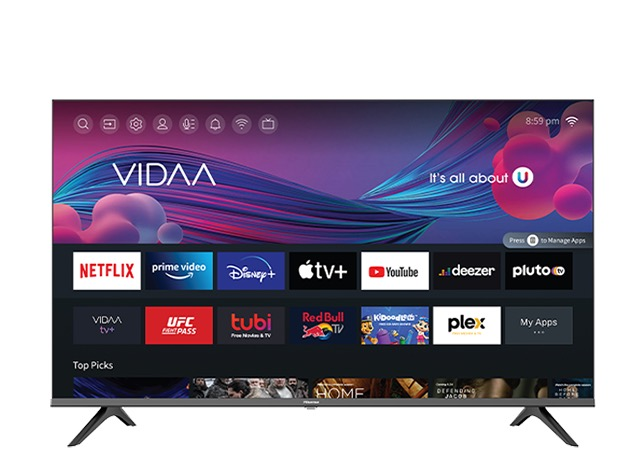
Hisense Group faced the challenge of creating a comprehensive e-commerce platform that would integrate seamlessly across multiple devices (PC, mobile app, mobile web, and WeChat) and unify their existing membership and points systems. They needed to ensure a high-performance, scalable system capable of handling high traffic and large data volumes. Additionally, they required robust integration with external systems and the capability for their technical team to independently manage and expand the platform.
- Develop a Unified E-commerce Platform: Establish a platform covering operations, warehouse management, settlement, membership, and reporting functions.
- Develop a Unified E-commerce Platform: Establish a platform covering operations, warehouse management, settlement, membership, and reporting functions.
- Ensure High Performance and Scalability: Design the system to handle high traffic and large data volumes with agile development capabilities and distributed databases.
- Standardize External System Interfaces: Create standard protocols for integrating with external systems like forums, CRM, and e-invoice platforms.
- Facilitate Technology Transfer: Enable Hisense's technical team to independently manage and develop the e-commerce platform through comprehensive training and support.
- B2C Brand Mall: Development of a self-operated Hisense brand mall to facilitate direct sales to consumers.
- Promotions & Marketing Activities: Integration of 15 promotional tools including discounts and coupons, covering a wide range of online promotional scenarios. The platform supports e-commerce distribution systems, allowing Hisense Group employees to participate in activities and earn commissions by sharing with friends, boosting overall sales.
- Omni-Channel Inventory Management: Consolidation of inventory data from various channels to enable real-time inventory synchronization, order-driven inventory updates, advanced sales of in-transit stock, and product sourcing functionalities.
- Enhanced System Performance: The Hisense official mall is built on a PaaS platform with optimized database and system performance, ensuring stability during high-traffic events like Singles' Day. The system can handle over ten thousand concurrent visits, providing platform-level, order-level, and product-level marketing tools. It includes a decoration system for quick creation of multiple promotional pages and uses smart inventory management to coordinate sales, achieving significant sales growth on peak days.
Componentized Business Functions: Microservices architecture with fault tolerance and automatic server switching.
Efficient Deployment and Monitoring: Quick deployment, easy server monitoring, and various payment methods (Alipay, WeChat, UnionPay, bank cards, credit cards).
Rapid Secondary Development: Facilitates agile development and rule engine setup.
Agile Development: Supports swift business adaptation through agile methodologies.
Distributed Database: Efficiently manages large data volumes.
User Behavior Analysis: Records and analyzes multi-level user behaviors for data-driven decisions.
High Traffic Handling: The system supports over 100,000 concurrent users, ensuring a smooth shopping experience even during peak times such as major sales events.
Improved Operational Efficiency: The automated monitoring and fault-tolerance features reduces server downtime by 90%, enhancing overall system reliability and user satisfaction.
User Engagement: The seamless integration of membership and points systems across all platforms iincreases customer engagement and retention rates by 50%.
Scalability: The agile development capabilities and distributed database architecture will support future growth, allowing for a 30% annual increase in user base without significant performance degradation.
Urban Environment Monitoring Platform

The Committee on Environmental Protection and Economic Development of Nanjing (CEPED) faced significant challenges in integrating advanced surveillance and data analysis technologies to create an intelligent regulatory management system for the No. 9 Rd., and Gonghe River areas, including critical sites like power plant and dock. The project required 24/7 real-time monitoring using HD cameras and AI recognition technology, ensuring seamless data integration and precise governance strategies. This involved building nine subsystems, a foundational platform, a mobile application, and a visualization command and dispatch system. The system needed to handle a high volume of data, support real-time monitoring, and provide automated case handling and emergency responses, all while ensuring scalability and robustness.
- Creating an advanced e-commerce system with 17 core domains, including member, product, transaction, and marketing modules.
- Ensuring high performance and stability to support significant traffic spikes, such as during major promotions.
- Facilitating seamless data integration and migration from existing systems to a new, high-performance architecture.
- Enhancing user experience and operational efficiency through real-time data analysis and intelligent governance strategies.
- Multi-Platform Integration: Development of a unified system encompassing PC-based, mobile app, mobile web, and WeChat stores.
- AI-Powered Surveillance: Implementation of advanced AI algorithms for vehicle identification, driver recognition, and violation detection.
- Real-Time Monitoring: Deployment of 145 surveillance devices, including HD cameras and water level monitoring equipment, ensuring comprehensive coverage.
- Automated Case Handling: Systems for automatic violation detection and case generation, ensuring swift response and resolution.
- Mobile and Visualization Support: Mobile applications and a visualization command platform for real-time management and monitoring.
- Distributed Architecture: All modules supported distributed, clustered deployment for scalability and reliability.
- Microservices and Componentization: The system architecture employed microservices, enabling individual module deployment and management.
- AI Algorithms: Advanced AI techniques like vehicle recognition, facial recognition, and semantic segmentation were used for accurate data analysis.
- High Performance and Fault Tolerance: The system featured robust fault-tolerance mechanisms and backup systems, with automatic anomaly detection and server failover.
- Scalable Database: Utilized distributed databases and agile development principles, ensuring the system could handle high concurrency and large data volumes.
Tuya Smart IoT Platform

Tuya Smart, a leading IoT cloud platform provider, faced significant legacy issues due to multiple codebase iterations by various teams, resulting in code confusion and technical debt. Designing a platform for global developers required addressing time zone differences, invocation methods, programming languages, and diverse user habits. Additionally, the challenge included integrating numerous heterogeneous systems while providing a unified user experience for developers, supporting multiple end-side types, and offering interface specifications in different programming languages. Organizing various technical documents and providing detailed tutorials for external use added another layer of complexity.
The primary objective was to design and develop a robust global cloud developer platform that provides a seamless cross-platform development experience. The platform needed to support various development environments, including mobile (iOS, Android, tablets), device (various IoT hardware), web, PC, and Mac. The goal was to empower developers worldwide with consistent tools and interfaces, ensuring ease of use and integration across diverse systems.
- Cross-Platform Support: Unified support for mobile, IoT hardware, web, PC, and Mac.
- Consistent User Experience: Seamless integration of heterogeneous systems to provide a unified user experience.
- Multi-language Interface Specifications: Offering APIs and SDKs in multiple programming languages, including JavaScript, Java, React Native, Vue, and C/C++.
- Developer Documentation: Organized technical documents and detailed tutorials to facilitate easy adoption and usage by global developers.
- High Scalability: Built to support a growing number of developers and devices.
- Requirements Gathering and Product Research : Identified and analyzed the platform requirements.
- Technical Architecture Design: Designed the overall architecture, ensuring it could handle global deployment and integration.
- Core Framework Implementation: Implemented the core framework using state-of-the-art technologies like TensorFlow and PyTorch.
- Platform Capability Encapsulation: Developed capabilities for the Tuya platform, ensuring encapsulation and modularity.
- End-Side Interface Provision: Provided various end-side interfaces, ensuring seamless integration.
- Management Backend Construction: Built the backend for platform management.
- Developer Documentation: Organized and provided comprehensive documentation and tutorials.